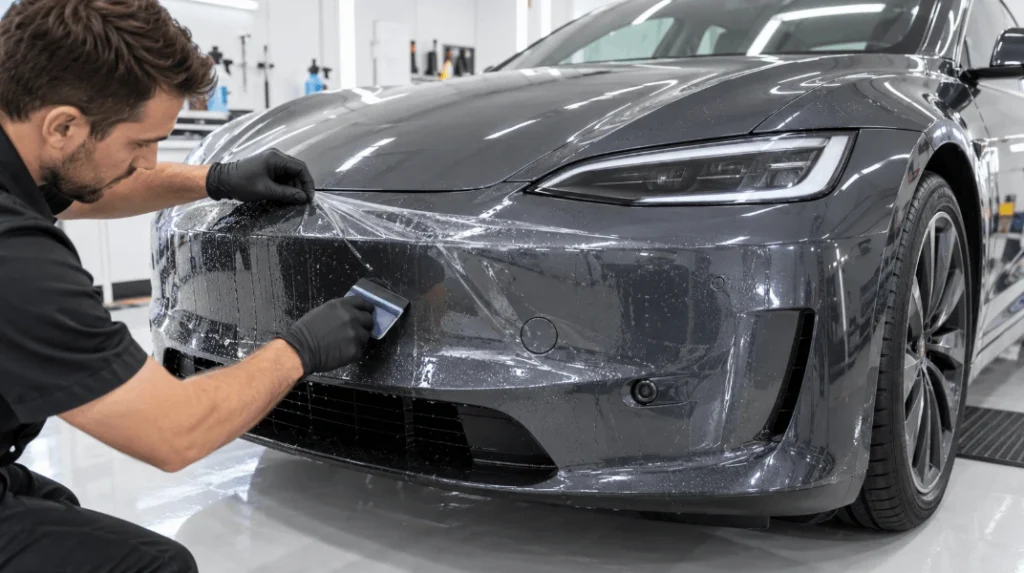


Yes, PPF is worth it for most drivers who plan to keep their car for more than two years. It costs less than one paint correction job but saves thousands in resale value, prevents chips and stains, and keeps your paint looking new for years. The real question is not if PPF works. It is whether the upfront cost fits your goals for the car.
Car value data backs this up. Vehicles lose 20% to 28% of their value in the first year alone, and that number climbs fast with visible paint damage. A single rock chip repair or full repaint can cost hundreds to thousands of dollars, while a quality PPF package often runs a fraction of what a repaint costs over the life of the car. Brands like XPEL and SunTek, the film types most shops use, back their products with 10 year warranties because the film is built to last that long. That kind of confidence from manufacturers tells you a lot about the long term value.
What PPF Actually Costs
PPF pricing depends on coverage size and film quality. Here is a simple breakdown:
- Full front end (hood, fenders, bumper, mirrors): Mid range price, covers the most damage prone areas
- Full body: Highest price, covers every panel for total protection
- Track pack or partial coverage: Lower price, covers specific high impact zones
Price also shifts based on:
- Film brand and thickness
- Vehicle size and body shape
- Number of curves and cutouts
- Labor time needed for a clean install
A basic front end package is often priced similar to one set of new tires. Full body coverage costs more upfront but protects the entire car instead of just the front.
What You Get Back From PPF
PPF is not just a cost. It brings real returns over time.
Protects Resale Value
A car with paint that still looks new sells faster and for more money. Buyers pay a premium for a vehicle without swirl marks, chips, or faded clear coat.
Prevents Costly Repairs
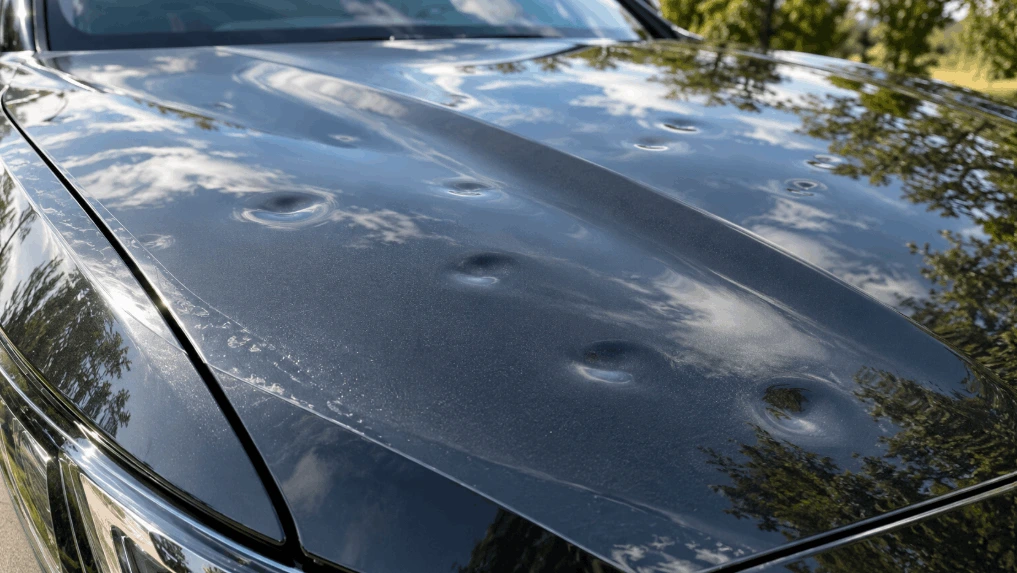
Rock chips, road debris, and minor scrapes get stopped by the film instead of your paint. One bad drive on the highway can cause chips that cost more to fix than the film itself.
Self Healing Technology
Most modern PPF heals small scratches and swirl marks on its own with heat from the sun or warm water. This keeps the surface looking smooth without extra work.
Reduces Maintenance Time
PPF repels dirt and grime, so washing your car takes less effort and less time. Bugs, tar, and bird droppings wipe off easier too.
Peace of Mind Every Drive
You stop worrying about gravel roads, parking lot dings, or bad weather. The film absorbs the hit so your paint does not have to.
PPF Cost vs Benefit: The Real Comparison
| Factor | Without PPF | With PPF |
| Paint chips from rocks | Common, costly to fix | Rare, film absorbs impact |
| Resale value | Lower due to visible wear | Higher, paint looks newer |
| Washing effort | More scrubbing needed | Dirt slides off easier |
| Small scratches | Stay visible | Often self heal |
| Long term cost | Repaint or touch up costs add up | One time film cost, lasts years |
When you add up repaint costs, detailing bills, and lost resale value over five to seven years, PPF often pays for itself. This is true whether you drive a daily commuter or a luxury vehicle. The idea that PPF is only for expensive cars is outdated. Any car owner who wants to protect their investment benefits from it.
Thinking about protecting your paint before your next road trip or winter season? A quick consultation can show you exactly what coverage fits your car and budget.
Is PPF Worth It For Every Car?
Not every driver needs full body coverage. Here is how to think about it:
- Daily drivers on highways: Front end coverage protects the most exposed areas
- New car owners: Full body coverage locks in that factory finish from day one
- Leased vehicles: Front end or partial coverage protects against fees for paint damage at lease end
- Show cars or weekend drives: Full body coverage keeps every angle flawless
Your driving habits, parking situation, and how long you plan to keep the car all shape which option makes sense.
Signs PPF Is a Smart Investment For You
- You drive on highways or gravel roads often
- You park outside without covered parking
- You plan to keep the car for several years
- You care about resale value
- You want less time spent on paint touch ups
If two or more of these sound like you, PPF likely pays for itself over time.
Why Choose The Armour Lab
The Armour Lab specializes in Paint Protection Film, Ceramic Coating, and Window Tinting for drivers who want their vehicle protected the right way. Our team focuses on clean, precise film installs that hold up for years, not just months. We serve car owners in Vaughan, ON and West Palm Beach, FL, bringing the same attention to detail to every vehicle that comes through our doors, from daily commuters to weekend show cars.
Conclusion
PPF is worth it for most drivers who want to protect their paint, keep resale value high, and spend less time on repairs down the road. The upfront cost is small compared to what you save on chips, scratches, and faded paint over the years. Whether full body or front end coverage fits you best comes down to how you drive and how long you plan to keep your car.
Yes, it often saves more in resale value and repair costs than it costs upfront.
No, any car owner who wants to protect paint and resale value can benefit.
Quality film lasts 7 to 10 years with proper care.
It stops most impacts but is not fully indestructible against deep gouges.
PPF offers physical impact protection, while ceramic coating adds gloss and easier cleaning, many owners use both together.