

No, paint sealant is not as good as PPF. Paint sealant is a thin layer of synthetic polymer that sits on top of your clear coat. It adds shine and light protection for a few months. PPF, or paint protection film, is a thick, clear layer of urethane that physically shields your paint from rock chips, scratches, and road debris for years. They are not the same level of protection, and they are not made for the same job.
The paint protection film market is growing fast for a reason. Industry data projects the paint protection film market to reach $1.06 billion by 2035, growing at 6.3 percent each year, and a recent industry survey found PPF can raise a car’s resale value by up to 15 percent, according to XPEL, one of the leading names in paint protection film. Meanwhile, testing from Consumer Reports found that most wax and sealant products lose a significant amount of protection within about five weeks. That gap tells you almost everything you need to know before you spend money protecting your paint.
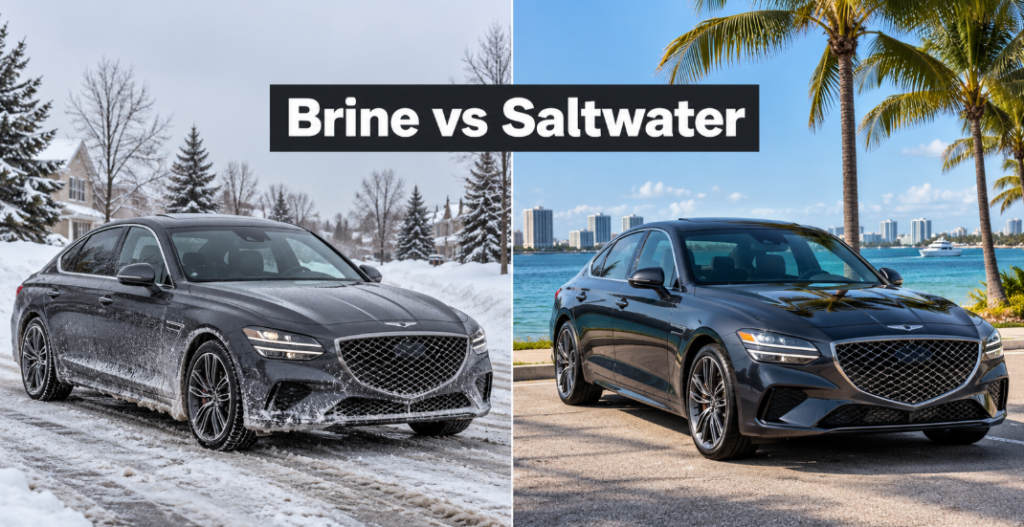
If you drive in West Palm Beach, this matters even more. Hot sun near Clematis Street, salty air off the Intracoastal, and daily highway trips on I-95 all wear down paint fast. Picking the wrong protection means redoing the work every few months.
What Paint Sealant Actually Does
Paint sealant is a liquid product made from synthetic polymers. You apply it by hand or machine, and it bonds to the clear coat.
Here is what it gives you:
- A glossy, wet look right after application
- Light protection from UV rays and water spots
- Water beading for easier washing
- A low upfront cost
Here is what it does not give you:
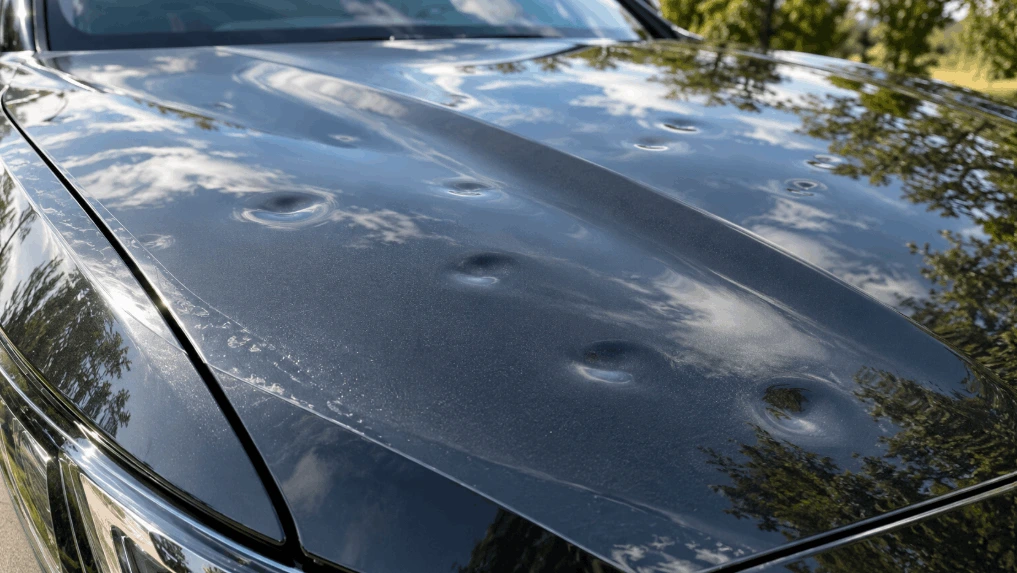
- Any real protection from rock chips or scratches
- Long-term durability, most sealants fade in 3 to 6 months
- Protection from bug acid, tar, or road debris impact
Sealant is like a raincoat. It keeps light moisture off, but it will not stop a rock from hitting you.
What PPF Actually Does
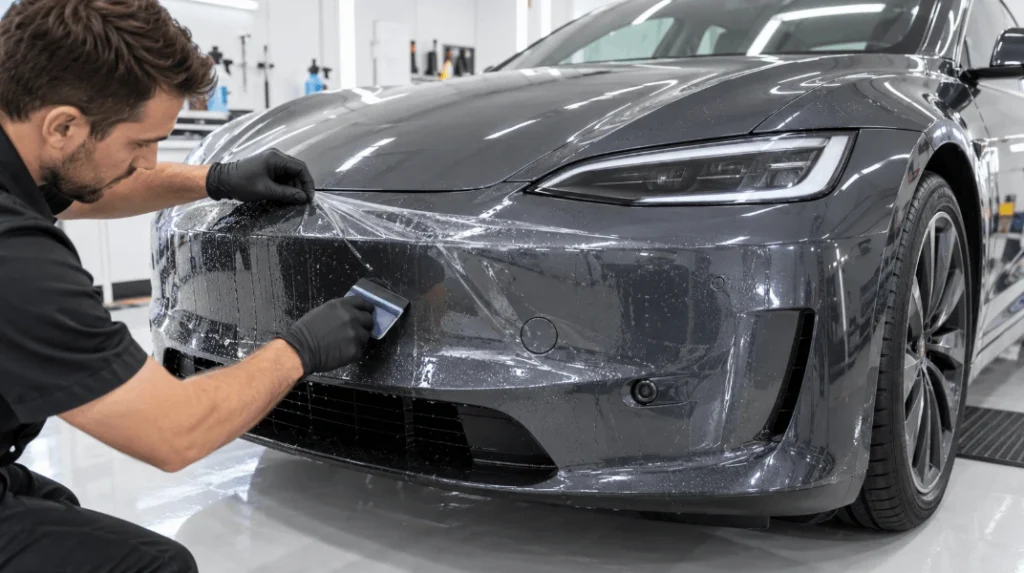
Paint protection film is a physical layer of urethane, usually 6 to 8 mils thick, applied directly to your car’s paint.
Here is what it gives you:
- Real protection from rock chips, scratches, and swirl marks
- Self-healing properties, light scratches disappear with heat
- Protection that lasts 5 to 10 years
- Better long-term value for your paint and resale price
PPF is like body armor. It absorbs the hit so your paint does not have to.
Paint Sealant vs PPF: Quick Comparison
| Factor | Paint Sealant | PPF |
| Protection level | Light, surface only | Strong, physical barrier |
| Lifespan | 3 to 6 months | 5 to 10 years |
| Rock chip protection | None | Yes |
| Self-healing | No | Yes |
| Upfront cost | Low | Higher |
| Long-term value | Low, needs reapplying often | High, protects resale value |
Why Paint Sealant Alone Is Risky in West Palm Beach
West Palm Beach paint takes a beating. Salt air near the coast, constant sun, and daily commutes on busy roads like Okeechobee Boulevard all add up.
A sealant fades fast under this kind of heat and exposure. Once it wears off, your clear coat is exposed again, and you are back to square one every few months. PPF stays in place and keeps working, rain or shine, all year long.
Want the strongest layer of protection for your paint? check out our paint protection film service in West Palm Beach and see how it compares to sealant in person.
Can You Use Both Sealant and PPF Together?
Yes, but it is not necessary if you already have PPF installed. PPF already gives you a hydrophobic top layer on most modern films, so water beads off just like it would with a sealant.
If you want an extra layer of gloss and slickness on top of PPF or on painted areas without film, a ceramic coating is a better match than sealant. Ceramic coating bonds harder, lasts longer, and adds real chemical resistance.
How to Choose Between Sealant and PPF
Ask yourself these questions:
- Do you want protection that lasts months or years? PPF wins for years.
- Do you drive on highways or gravel roads often? PPF protects against chips, sealant does not.
- Is your car new, leased, or a daily driver you plan to keep? PPF protects resale value.
- Do you just want a quick shine before a weekend event? Sealant can work short term.
For most daily drivers in Florida, PPF is the smarter long-term investment. Sealant can be a nice extra touch, but it should never be your only layer of protection.
Why Choose The Armour Lab
The Armour Lab is a paint protection and detailing shop serving West Palm Beach, FL. Our team focuses on two things, PPF installation and ceramic coating, and we do both with care and precision. We know Florida weather is tough on paint, from salty coastal air to long hours of direct sun, and we build our installations to handle it.
Every PPF job is fitted carefully to your vehicle’s panels to avoid bubbles, lifting, or visible edges. Our ceramic coatings are applied by hand for even coverage and a deep, long lasting shine. Whether you drive a daily commuter or a car you plan to keep looking new for years, our goal is simple, protect your paint the right way the first time.
If you are ready to stop guessing and get real protection for your car, book a PPF consultation with The Armour Lab or give us a call at +1 561-295-4850.
Conclusion
Paint sealant and PPF are not the same, and they do not offer the same protection. Sealant adds shine and light, short term protection. PPF adds a real physical shield that lasts for years and protects against chips, scratches, and daily wear. If you want lasting protection for your paint, PPF is the stronger choice.
No, sealant only protects the surface. It cannot stop physical impact like PPF does.
Most paint sealants last 3 to 6 months before they need to be reapplied.
Yes, PPF protects against sun, salt air, and road debris that daily drivers face every day.
Yes, many ceramic coatings can be applied on top of PPF for extra gloss and easier cleaning.
Sealant costs less upfront, but PPF saves money over time since it lasts years instead of months.