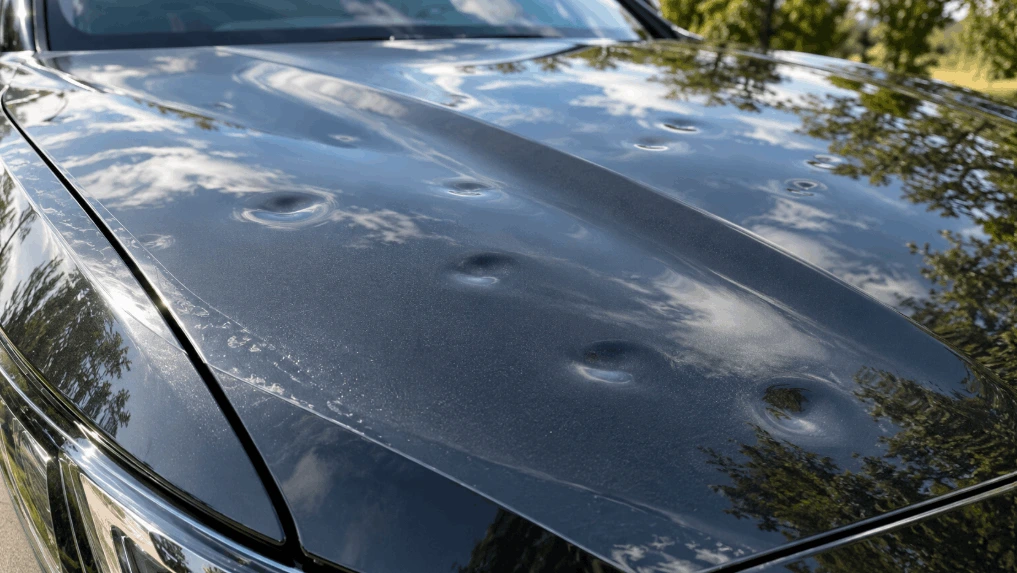


Insurance companies dispute Paint Protection Film (PPF) claims after hail or debris damage mainly because they can’t easily tell the difference between new impact damage and old wear, and because many drivers don’t have enough proof of when the damage happened. A 2025 industry report from the Insurance Information Institute noted that hail causes over $10 billion in vehicle and property damage across North America each year, and a large share of these claims face delays or partial denials due to weak documentation. If you already have PPF on your car and hail or debris just hit it, this guide shows you exactly why insurers push back and how to build a claim file they can’t argue with.
Why Insurers Question PPF Hail and Debris Claims
Insurance adjusters are trained to look for reasons to lower a payout, not just approve it. This isn’t personal. It’s how claims departments manage cost.
When your car has PPF and gets hit by hail or road debris, adjusters often raise doubts for a few common reasons.
They Can’t Confirm the Damage Is New
PPF is designed to absorb small impacts and self-heal from light scratches. This is great for your car, but it can confuse an adjuster who isn’t familiar with the product. If the film shows dents, bubbling, or pitting, the insurer may assume it built up over time instead of from one storm.
They Question Pre-Existing Wear
If your PPF was already a year or two old before the hailstorm, insurers may argue that some of the damage came from normal road use, sun exposure, or minor chips before the event. Without a “before” record, it’s hard to prove otherwise.
They Compare Weather Data to Your Claim Date
Most insurers pull local weather and radar records to confirm a hailstorm actually happened on the date you’re claiming. If your report is filed weeks later, or the storm data doesn’t clearly match your location, they may push back on the timing.
They Assume Debris Damage Is Driver-Caused
Rock chips, tree debris, and road hazard damage can look similar to normal driving wear. Insurers sometimes argue the damage came from everyday driving rather than a specific debris event, especially if there’s no photo or report from the day it happened.
Common Reasons PPF Claims Get Delayed or Denied
Here are the patterns that show up again and again in disputed claims:
- No timestamped photos taken right after the storm or debris event
- Claim filed too long after the damage occurred
- No professional inspection report from a certified PPF installer
- Missing proof of when the PPF was originally installed
- No comparison between “before” and “after” condition
- Damage described vaguely instead of with clear photos and notes
Each of these gaps gives an adjuster room to argue your claim, lower your payout, or delay approval while they “investigate further.”
How Documentation Strength Changes Your Claim Outcome
The more specific and time-stamped your evidence is, the harder it becomes for an insurer to dispute it.
Evidence You Provide | Insurer’s Ability to Dispute | Claim Outcome |
No photos, verbal description only | High | Likely denied or reduced |
Photos with no date or location data | High | Often disputed |
Time-stamped photos after the event | Moderate | Partial approval likely |
PPF installer inspection report | Low | Strong approval odds |
Installer report plus weather data plus before/after photos | Very Low | Best possible outcome |
This is why documentation quality matters more than documentation quantity. Ten clear, organized photos beat fifty random ones every time.
Step-by-Step Documentation Tips After Hail or Debris Damage
Follow these steps as soon as you notice damage to your PPF.
1. Photograph the Damage Immediately
Use your phone to take close-up and wide-angle photos in daylight. Make sure your phone’s date and location settings are turned on so each photo carries a timestamp automatically.
2. Capture Every Angle of the Vehicle
Don’t just photograph the worst spots. Document the hood, mirrors, bumper, roof, and any painted panels near the PPF. This shows the full pattern of impact, which matches a real storm or debris event instead of random wear.
3. Keep Your PPF Installation Records
Save your original invoice, warranty paperwork, and installation date from when you first had the film applied. This proves the film’s age and condition history, which removes the “pre-existing wear” argument.
4. Get a Professional Inspection Report
A certified PPF installer can confirm whether the damage pattern matches a hail or debris event, not gradual aging. This report carries far more weight with insurers than your own description.
5. Pull Local Weather Records
Sites like NOAA’s storm event database let you check hail activity for your exact date and zip code. Attach this to your claim to confirm a qualifying storm actually occurred.
6. File the Claim Right Away
Don’t wait. The sooner you report the damage, the fresher your evidence looks to the insurer, and the harder it is for them to argue the damage isn’t recent.
7. Ask for a Written Explanation If Denied
If your claim gets disputed, request the specific reason in writing. This tells you exactly what evidence gap you need to fill before appealing.
If your PPF was damaged by hail or debris, our team offers a full inspection to help document your vehicle’s condition before you file or appeal a claim.
Protecting Your Vehicle Before the Next Storm
Good documentation habits start before damage ever happens. If you install paint protection film in Vaughan, take clear photos of your vehicle right after installation and store them somewhere safe, like a cloud folder or email to yourself. This creates a baseline that instantly proves what your car looked like before any storm.
The same applies if you’re located near West Palm Beach paint protection film services, where seasonal storms and debris are common. A simple before-and-after photo habit can save you thousands in disputed claims down the road.
According to the National Insurance Crime Bureau, vehicles with clear ownership and maintenance documentation see faster claim processing and fewer disputes overall. Keeping organized records isn’t just good practice, it directly affects how quickly your claim gets approved.
Want an expert opinion on your PPF’s current condition? Book a quick inspection with our team before filing your next claim.
Why Choose The Armour Lab
The Armour Lab specializes in professional paint protection film application for drivers who want their vehicles looking sharp and protected for years. Our team applies PPF with precision, using proper prep work and installation techniques that hold up against real-world conditions like hail, road debris, and daily wear. We proudly serve drivers in Vaughan, ON and West Palm Beach, FL, offering hands-on consultations, detailed installation records, and honest guidance if your film ever gets damaged. Whether you’re protecting a brand new vehicle or restoring one after a storm, our team walks you through the entire process, from film selection to aftercare, so you always know exactly what’s covered and how to document it properly if you ever need to file a claim. We believe a well-documented, well-installed PPF job is your best defense against both road damage and insurance headaches.
Ready to protect your vehicle the right way? Reach out to our team today for a consultation.
Conclusion
Insurance companies dispute PPF claims after hail or debris damage mainly because of missing timestamps, unclear evidence, and gaps in the vehicle’s documented history. The fix is simple: photograph everything right away, keep your installation records safe, and get a professional inspection report when damage happens. Strong documentation turns a shaky claim into an easy approval.
Frequently Asked Questions
Without before-and-after photos or installation records, adjusters can't confirm the damage is recent, so they may assume it's pre-existing wear.
File within a few days of the storm while your evidence is fresh and easy to verify.
Yes, since self-healing film can hide minor damage over time, so photograph any impact immediately before it fades.
Timestamped photos, your original installation invoice, and a professional inspection report help the most.
Yes, a certified installer can give a written inspection report confirming the damage matches a storm or debris event.