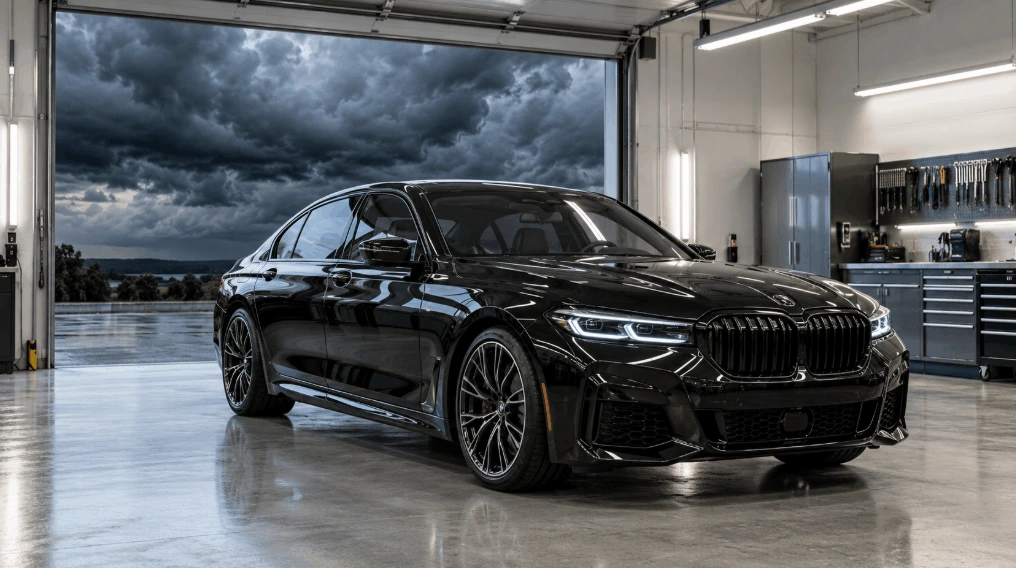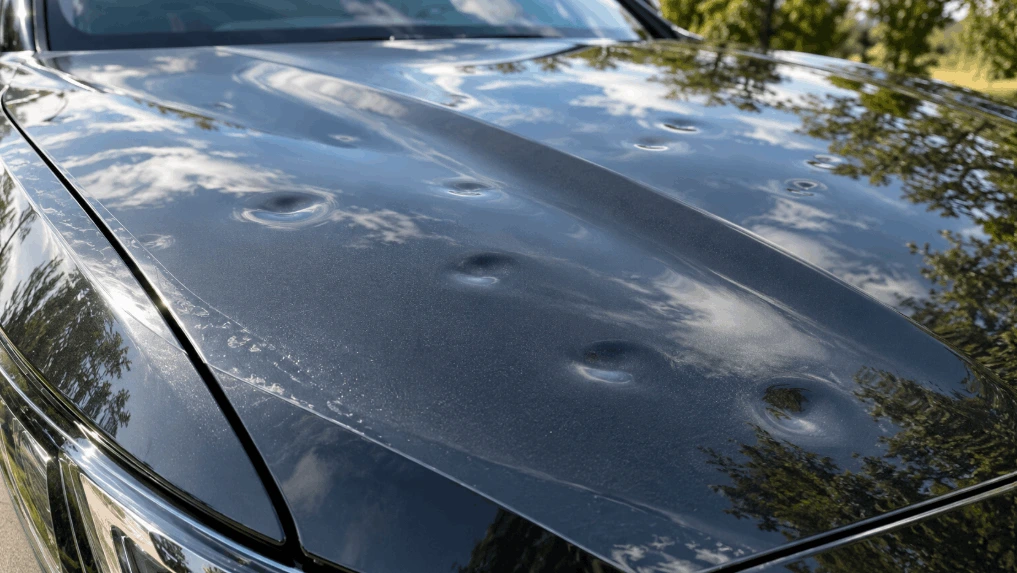


Florida’s afternoon storms raise humidity fast, and that changes how ceramic coating cures. When the air holds too much water, the coating can cure slowly, cure unevenly, or turn hazy. Most coatings like 40% to 60% humidity, plus a dry car for the first 24 to 48 hours. So in Florida summers, book a morning drop-off, expect a longer hold time, and pick a shop with a climate-controlled bay.
What the Data Says About Florida Storms and Coating Cure
Florida’s weather follows a pattern, and that pattern matters for your paint. Here are the facts that shape cure time and scheduling:
- Storms come from the sea breeze. The National Weather Service studied Florida sea breeze storm patterns on summer days from June through mid September. You can read the National Weather Service sea breeze storm study for the science.
- Storms peak in the afternoon. Local weather sources say the peak window in the wet season runs from early to mid afternoon, roughly May through September.
- South Florida stays hot and wet. A July 2026 forecast from the National Weather Service in Miami called for scattered to numerous storms through the whole outlook. It also listed highs in the low to mid 90s.
- Other humid cities face the same problem. EuroLuxe Detailing in Houston reports that summer afternoons often hit 80% to 90% humidity. Their team reschedules a job when the room falls outside the coating’s safe range. Read their Houston humidity and ceramic coating cure guide to see the same rules at work.
- Coating guides agree on a target. Many guides list 40% to 60% humidity and 60°F to 80°F as the sweet spot. Pro guides often allow a wider range of 50°F to 85°F and 40% to 70% humidity.
We found no large survey on Florida coating failures. So treat these numbers as guides, and always follow the data sheet for your exact product.
Why Afternoon Storms Change Ceramic Coating Cure Time
A ceramic coating does not dry like wax. It goes through a chemical change that locks it to your paint. Heat and water in the air both push on that change. That is why a Florida afternoon can turn a good job into a bad one.
Humidity can slow the cure
Some coatings hold liquid that needs to leave the surface. Wet air slows that step. The coating stays soft longer. Dust, pollen, and bugs can land on it while it waits.
Humidity can also rush the cure
Sources do not fully agree here. Some coatings react with water vapor in the air. In very wet air, these coatings can start to set before the tech levels them. That leaves a hazy or smeared look. So the answer depends on the product. Both cases lead to trouble, and both are common on stormy days.
Heat and moisture add more risk
Panels get hot in the Florida sun. Hot panels can flash the coating too fast. Then a storm cools the air and adds moisture. That swing in temperature and humidity is hard on fresh coating.
The dew point matters
Dew point tells you when air will drop water on a cold surface. If the panel is close to the dew point, water can form on the paint. Water under a coating blocks a strong bond. Pros check panel heat and dew point, not just the weather app.
What Humidity and Temperature Range Is Safe?
Every coating has its own data sheet. Still, most follow a similar range. Use this as a starting point:
- Best humidity: 40% to 60%. Many pro coatings allow up to about 70%.
- Too humid: Above roughly 75% to 80%. Haze, smearing, and uneven cure become likely.
- Too dry: Below about 30% to 35%. The cure can move slowly and stay incomplete.
- Best temperature: 60°F to 80°F. Many pro coatings allow 50°F to 85°F.
- Too hot: Above 85°F to 90°F. The coating flashes too fast and leaves high spots.
In Florida, the hot and humid side is the main worry. A West Palm Beach parking lot in July can sit outside these ranges by noon. A shop bay that runs air conditioning and a dehumidifier can stay inside them all day.
How Long Does Ceramic Coating Take to Cure in a Florida Summer?
Cure time comes in stages. Here is a simple timeline:
- First 12 to 24 hours: The coating turns tack-free. It can make light contact. Keep the car totally dry.
- First 24 to 48 hours: This stage is the most sensitive. Rain, sprinklers, and heavy dew can all cause spots or weak bonds.
- Days 3 to 14: The coating keeps hardening. Full hardness and chemical strength often take 7 to 14 days.
- Up to 30 days: Some formulas need even longer to reach full cure.
Humid weather can stretch each stage. A coating that feels dry in the morning can still be soft under the surface. So a good shop tells you how long to wait, and it plans to wait around the forecast.
Want the safest cure for your car? Book a ceramic coating service in West Palm Beach, FL and ask for a morning slot.
Why Morning Drop-Offs Work Best in West Palm Beach
Storms build slowly. Mornings stay calm and clear. So most coating work goes best when the car arrives early and the tech finishes before the afternoon storms roll in. Even in a climate-controlled bay, a stable schedule keeps things simple.
Here is a smart plan for a West Palm Beach driver:
- Drop off early. Beat the Okeechobee Boulevard and I-95 traffic and the afternoon build-up.
- Let the shop hold the car. A good shop keeps your car inside for an early cure.
- Pick up in the next dry window. Skip a pick-up during a downpour if you can. Rain on a fresh coating is a risk.
- Park inside at home. A garage keeps dew and sprinklers away.
Do you work downtown near Clematis Street or Flagler Drive? Schedule drop-off before your workday starts. Do you fly out of Palm Beach International Airport? Do not leave a freshly coated car in an open lot during storm season.
The best seasons to book
Sea breeze storms run strongest from May through September. In the cooler months, weather comes more from passing fronts than from daily heat. So late fall through spring often brings calmer air and easier scheduling. That said, a good shop can coat your car in any month if the bay controls the air.
How Shop Scheduling Works Around Storm Days
A smart shop plans around the sky. Here is what that looks like:
- They check the forecast. Storm chances, humidity, and dew point all shape the day.
- They read a hygrometer. This tool measures humidity in the bay in real time.
- They watch panel heat. Cold or hot paint changes how the coating flows.
- They move jobs when needed. If the room falls out of range, they wait or reschedule. A shop that skips this step gambles with your paint.
- They hold the car after application. They give the coating a safe cure before handoff.
This is why a slower start can be a good sign. A shop that says “let’s wait until conditions are right” cares about the result.
Signs of a Humidity Problem in Fresh Coating
Look at your car in bright light after pickup. Watch for these signs:
- Hazy or cloudy patches
- Streaks or smears
- Rough spots that feel like tiny bumps
- Water spots that will not wipe away
- Weak water beading after the first wash
If you see any of these, call your shop right away. A small fix works best early. The tech can often polish and re-coat a problem panel.
What to Do After You Pick Up Your Car
Your job does not end at pickup. Follow these steps:
- Keep it dry for at least 24 to 48 hours. Follow your shop’s exact advice.
- Park in a garage or under cover. Florida dew and sprinklers can spot a soft coating.
- Skip the car wash. Wait about one to two weeks before a full wash, unless your shop says otherwise.
- Avoid harsh cleaners. Use a gentle, pH-neutral soap after the wait.
- Wipe bird droppings gently. Do it soon, with a soft towel and water.
Questions to Ask Any Shop Before You Book
Use this list on your next call:
- Do you coat inside a climate-controlled bay?
- What humidity and temperature range do you work in?
- Do you track humidity with a hygrometer?
- What do you do when a storm pushes humidity too high?
- How long will you keep my car after coating?
- How long should I keep the car dry after pickup?
Clear answers show real experience. Vague answers are a red flag.
What About Vaughan, ON?
Southern Ontario summers bring muggy days and sudden storms too. The rules stay the same, even if the weather is a bit milder than Florida. Drivers near Vaughan Mills, Woodbridge, and Highway 400 still want a dry, stable room for the first day of treatment. A shop that controls the air can coat your car in any weather.
Live near Highway 407 or Canada’s Wonderland? Ask about a ceramic coating service in Vaughan, ON and plan your drop-off around the forecast.
Why Choose The Armour Lab
The Armour Lab focuses on one thing: ceramic coating that protects your paint and keeps its shine. We do not spread ourselves across ten services. We put our time into doing one job well, with careful prep, steady hands, and a plan for cure.
We serve two communities with two very different climates. In West Palm Beach, FL, we plan around hot air, high humidity, and afternoon storms. In Vaughan, ON, we plan around humid summers, cold winters, and quick weather swings. That mix gives our team a clear view of how weather affects a coating in real life.
We treat cure time as part of the job, not an extra. We check conditions before we start, we work in a controlled bay, and we tell you exactly how long to keep your car dry. If conditions fall outside the safe range, we move the job instead of taking a risk with your paint.
Whether you drive a daily commuter, a family SUV, or a weekend sports car, we build a plan that fits your car and your schedule. Ready to talk? Reach out through our ceramic coating service in West Palm Beach, FL page or our ceramic coating service in Vaughan, ON page, and ask us for a time that beats the weather.
Conclusion
Florida’s afternoon storms raise humidity, and humidity changes how a ceramic coating cures. Too much moisture can slow the cure, spoil the finish, or weaken the bond. A morning drop-off, a climate-controlled bay, and a dry first 24 to 48 hours give your coating the best start. Ask smart questions, follow the aftercare rules, and give the coating time to harden.
FAQs
Yes, if the shop coats inside a climate-controlled bay and keeps your car dry for the first 24 hours.
Keep it dry for at least 24 to 48 hours, or longer if your shop says so.
Above roughly 75% to 80%, most coatings risk haze and uneven cure, but always check your product's data sheet.
Early morning works best, because storms build later in the afternoon.
Wait one to two weeks for a full wash, and ask your shop before you rinse.